The Probiosooth Technology
Probiosooth uses probiotics, so called ‘good bacteria’ such as Lactobacillus species attached to fabric
The Problem
Skin exposed to urine and faeces for any period becomes susceptible to damage from bacteria, ammonia and bacterial enzymes. This leads to incontinence-associated present dermatitis (adults), generally referred to as diaper rash / nappy rash in infants. It generally presented as visibly red skin, pain, and, as it develops, more general skin breakdown
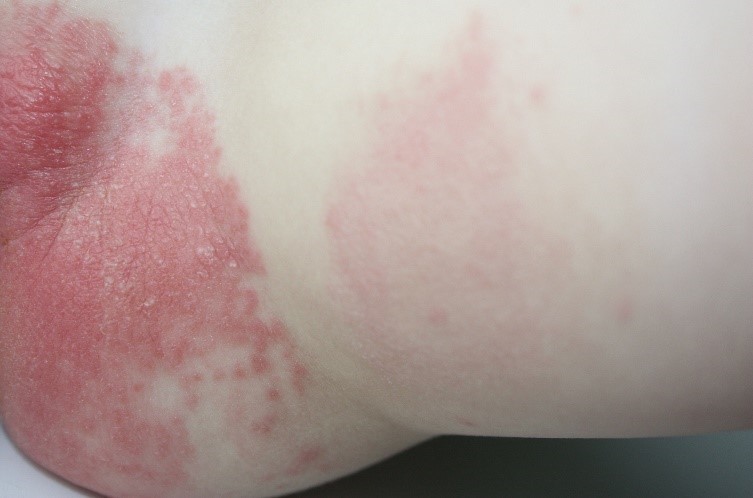
Presentation of IAD / nappy rash on skin. This is known as Category 1 IAD which if untreated can rapidly develop to more severe skin breakdown (Category 2 IAD)
Our Technology
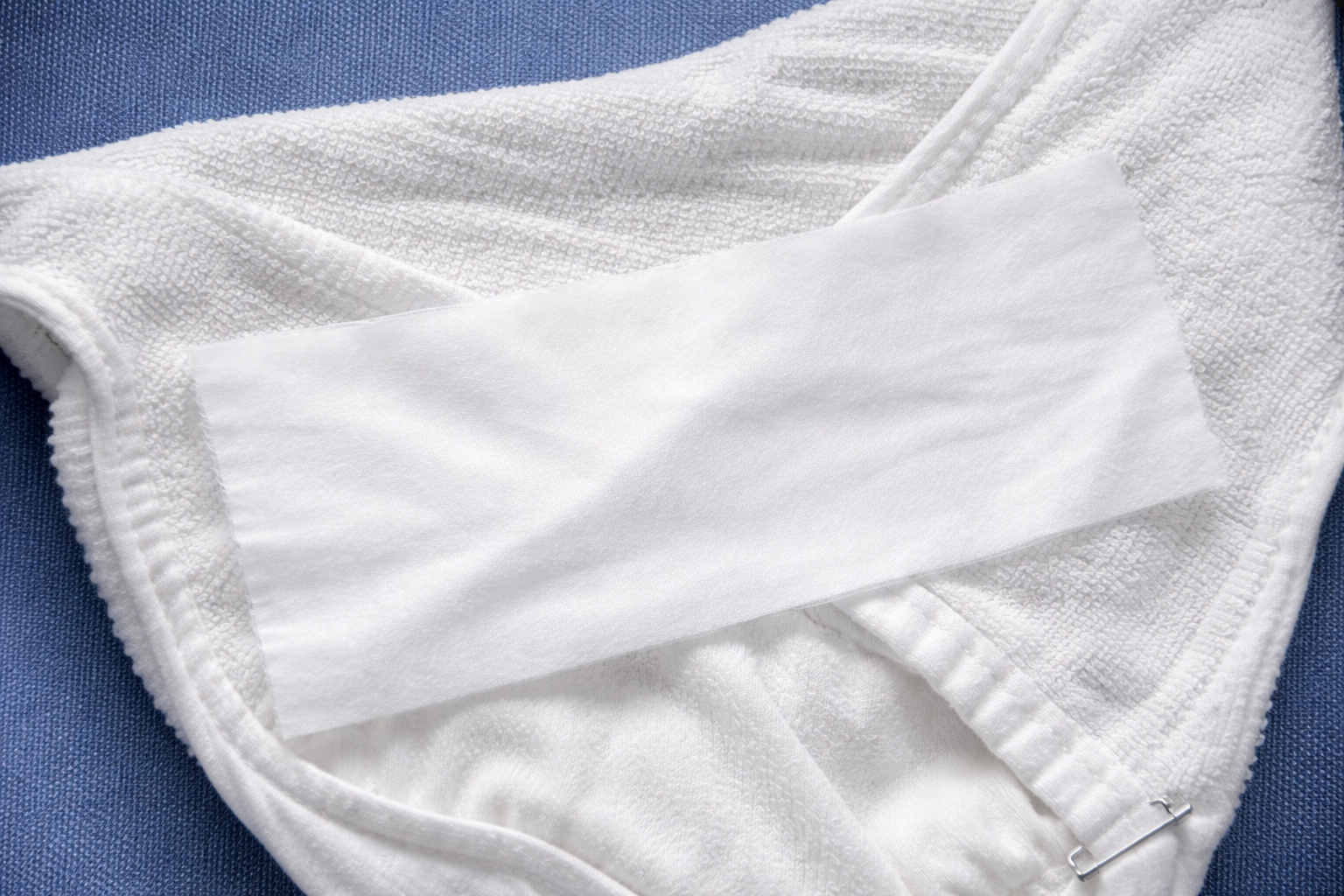
Probiosooth uses probiotics, so-called ‘good bacteria’ such as Lactobacillus species attached to fabric, which can be used to good effect by creating a locally acidic environment on skin, thereby inhibiting growth of pathogenic bacteria and potentially suppressing other pathogenic enzymes.
The Probiosooth probiotic modified fabric can be used in cloth nappies or incontinence pads as a liner to prevent the cause of nappy rash by inhibiting ammonia production. Later developments of the technology will create incontinence pads and wound dressings already modified with the probiotic fabric.
The Science
The science of nappy rash / IAD is complex. Essentially the process of skin damage can be considered as a cascade of events

Wet Skin
Wet skin is weaker than dry skin and susceptible to frictional damage.

Bacteria
Bacteria naturally present on skin in the nappy area express an enzyme, urease, which converts urea (in urine and sweat) to ammonia.

Ammonia
Ammonia is caustic and burns skin (Category 1 IAD)

Fungal Species
Ammonia raises the skin pH from a slightly acidic pH 5 to pH 9. Allowing dangerous bacteria to thrive and promotes the growth of fungal species (Category 2 IAD).
Probiotics
Lactobacillus probiotics, found in yoghurts and baby formula are nature’s good bacteria. Unlike most harmful bacteria, they prefer and create a slightly acidic environment, which they create by secreting lactic acid. Lactic acid maintains the skin’s pH at 5.5, which inhibits the growth of dangerous microbes and actively inhibits the enzyme urease, which makes ammonia.
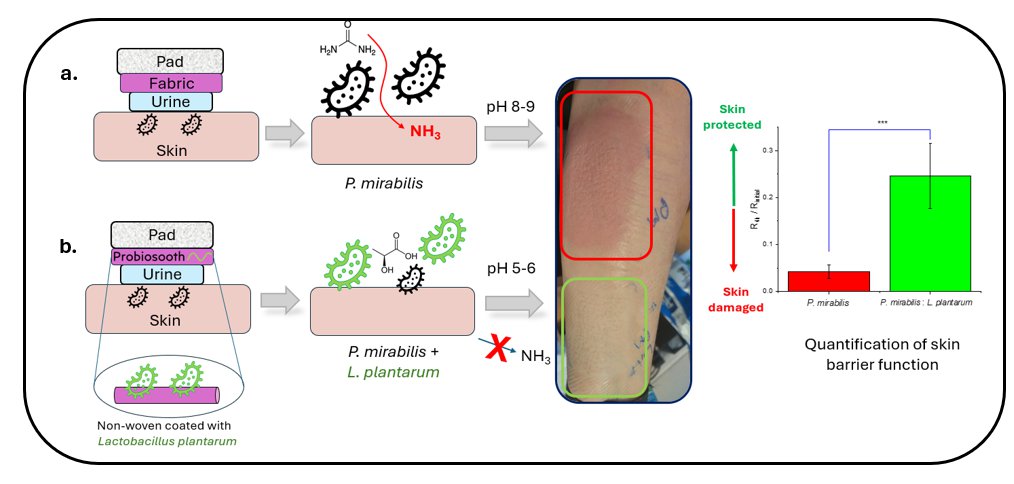
The technology concept: IAD is initiated by wet skin exposed to commensal bacteria including Proteus mirabilis, a ubiquitous gut dwelling pathogen which expresses urease (a) Urease converts urea to ammonia which causes erythema and directly damages the skin barrier function. (b) The lactobacillus modified non-woven placed on skin secretes lactic acid which has dual roles: it directly inhibits urease and maintains skin at a healthy pH with the probiotics operating as micro-factories for continual lactic acid production.
Got a Question?
Want to find out more? Please complete the contact form for more information and one of our team will get back to you.
Get in touch
Proudly Supported By